Call this Wednesday to Get $35 OFF
Call this Wednesday to Get $35 OFF
Local Electricians in Virginia Beach, VA - We Are Family & Veteran Owned.
Call this Wednesday to Get $35 OFF
Call this Wednesday to Get $35 OFF
Local Electricians in Virginia Beach, VA - We Are Family & Veteran Owned.

Smart home devices promise convenience, but the reality rarely matches the box. At Mr. Electric, we see this frustration constantly from homeowners who assume a smart home setup would be plug-and-play. The reality is that a truly seamless smart home experience depends on factors most people never consider, like electrical capacity, network infrastructure, device compatibility, and proper installation. Before you blame the technology or toss your expensive hub in a drawer, keep reading to find out what makes smart homes work the way they're supposed to.
Most homeowners treat smart devices like a new TV. They unbox it, download the app, and expect everything to work. That method fails more than it succeeds. Smart devices need stable power delivery, strong wireless signals, and compatible communication. A single weak link breaks the whole chain. The video doorbell might work fine on its own, but when you add smart locks, cameras, and automated lights, your home network can start to buckle under the load. DIY installers also tend to skip voltage testing, load calculations, and signal mapping. These shortcuts create problems that surface weeks or months later as random disconnections, delayed responses, or devices that refuse to pair. Professional smart home system installation takes care of these variables before a single device goes online. Technicians verify that your electrical system can handle the added demand, test signal strength in every room, and confirm that each device communicates on compatible frequencies. The upfront work eliminates the troubleshooting nightmare that sends most DIY projects off the rails.
Many houses built before 2000 run on 100-amp service panels. That capacity could handle traditional appliances just fine, but it falls short for modern smart home demands. Adding automated lighting circuits, EV chargers, smart HVAC controls, and security systems pushes older panels past their limits. The result is tripped breakers, inconsistent device performance, and potential fire hazards from overloaded circuits. Electricians evaluate your panel's capacity, identify circuits that need dedicated lines, and determine whether an upgrade makes sense before you invest in automation. This also reveals outdated wiring that can't handle the constant low-voltage draw that smart devices require. Aluminum wiring, undersized conductors, and degraded insulation all affect performance. Your smart thermostat might work perfectly in winter, then glitch out in summer when the AC compressor kicks on, and voltage fluctuates. Skipping this evaluation means building your smart home on a foundation that can't support it. An electrical service inspection catches these issues so you can avoid expensive failures.
Smart devices live and die by their network connection. A bargain router from five years ago isn't designed to handle 30, 40, or 50 connected devices competing for bandwidth. Each smart bulb, sensor, and camera maintains a persistent connection to your network. When too many devices crowd a single access point, response times lag, automations misfire, and voice commands go unheard. Professional installers map your home's wireless coverage before placing a device. They know how to identify dead zones, measure signal interference from appliances or building materials, and recommend mesh network solutions when needed. Concrete walls, metal ductwork, and large mirrors can block or degrade wireless signals. The smart lock on your back door might sit 60 feet from your router with two walls in between. Without a signal extender or mesh node nearby, it will constantly disconnect. An electrical service can provide integrated network assessments as part of smart home system installation packages so your electrical system and network work together reliably. Professionals position access points and devices in locations that maximize signal strength rather than just wherever it looks convenient.
The best smart home setups account for what you'll want three or five years from now. Planning only for today's devices creates problems later. Electricians who specialize in home automation can help you plan for tomorrow by running low-voltage wiring to exterior locations for future cameras, installing smart switches in guest rooms you haven't prioritized yet, or adding a dedicated circuit for the home battery system you're considering. Planning ahead doesn't cost much more during initial work, but it saves thousands compared to multiple retrofit projects. Tearing into finished walls to run new wire, upgrading a panel you just modified, or replacing a hub that doesn't support new devices can add up fast. A smart home that can't grow becomes obsolete within a few years. Every device you add burdens a system. Professionals will make sure your smart home becomes a platform you can expand rather than a dead end you'll eventually replace.
A smart home should respond when you give commands and adapt as you add new technology. The difference between a system that delivers and one that disappoints comes down to preparation and professional installation. Most homeowners don't realize how many variables affect smart device performance until they've already wasted hours troubleshooting problems that professionals would have prevented from the start. Stop fighting with devices that should be making your life easier. Contact Mr. Electric today to schedule a smart home consultation. Our electricians in Seaford, VA evaluate your electrical capacity, network readiness, and device compatibility to create an automation system that works the way you expected from day one.
 07Jan
07Jan
One lightning strike or power surge can wipe out thousands of dollars in electronics…
Read More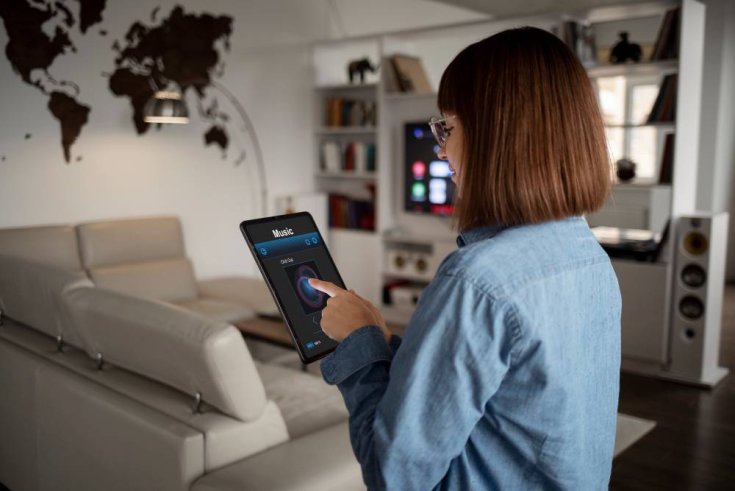 05Jan
05Jan
Smart home devices promise convenience, but the reality rarely matches the box. At Mr.…
Read More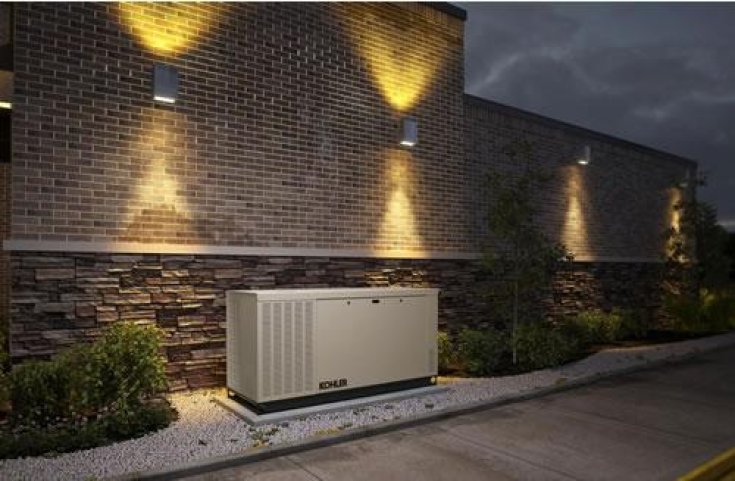 28Dec
28Dec
Thousands of homeowners end up in the emergency room every year because of generators.…
Read More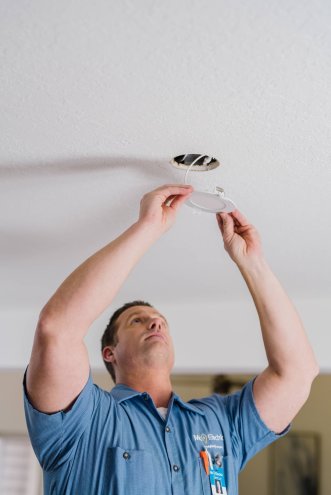 21Dec
21Dec
Nobody wants to sit in dim lighting just to save a few dollars on…
Read More