Call this Thursday to Get $35 OFF
Call this Thursday to Get $35 OFF
Local Electricians in Virginia Beach, VA - We Are Family & Veteran Owned.
Call this Thursday to Get $35 OFF
Call this Thursday to Get $35 OFF
Local Electricians in Virginia Beach, VA - We Are Family & Veteran Owned.

Thousands of homeowners end up in the emergency room every year because of generators. People assume there's nothing to it and skip the safety basics. Carbon monoxide poisoning, electrical fires, and backfeed into power lines are all preventable problems that happen when installation isn't done correctly. At Mr. Electric, we've seen what can go wrong when generators get connected by well-meaning DIYers or unqualified contractors, and the risks aren't worth it. Knowing why professional generator installation is important for safety protects your home and your family from an avoidable disaster. Read more to find out what proper installation involves and where the biggest hazards come from.
Carbon monoxide kills more than 400 Americans every year, and portable generators account for a substantial portion of those deaths. The exhaust from a generator contains the same toxic gas that comes out of your car's tailpipe. One generator can produce as much carbon monoxide as hundreds of idling vehicles. If you place your portable generator in a garage, basement, or enclosed porch, the gas accumulates fast. Within minutes, concentrations can reach lethal levels. What makes carbon monoxide so dangerous is that you can't see it, smell it, or taste it. Victims lose consciousness before they know anything's wrong. During power outages, people make desperate decisions and drag the generator inside to keep it dry or place it in an attached garage with the door cracked open. The crack isn't large enough, and carbon monoxide seeps through any opening into your living space. Professional generator installation takes care of this by positioning standby units outdoors at proper distances from windows, doors, and vents. Qualified professionals follow manufacturer specifications and local codes for minimum clearances. Professionals know these rules because they work with them every day.
Backfeed happens when a generator sends electricity backward through your home's wiring and out into the utility lines. Your home connects to the power grid through a transformer, and that transformer works in both directions. During an outage, utility workers assume the lines are dead and climb poles to handle wires without protective equipment because the power station has shut down the supply. A single backfeeding generator can energize the lines at thousands of volts and electrocute a lineman on contact. Utility companies report backfeed incidents after every major storm. Some workers have died, and others have suffered severe burns and permanent neurological damage. The homeowner responsible for a backfeed death could face criminal charges in addition to civil liability. Your homeowner's insurance may deny claims related to improper electrical work. Backfeed also destroys the generator itself. When utility power returns, it collides with the generator's output. The collision burns out the generator's alternator and can start a fire at your electrical panel. The damage spreads through your home's wiring and can destroy appliances, HVAC systems, and anything else connected to the circuits.
A transfer switch is the gatekeeper between your generator and the utility grid. It physically disconnects your home from the power lines before connecting the generator and prevents backfeed automatically. When utility power returns, the switch disconnects the generator and restores your normal electrical service. There's no manual intervention required. Some homeowners try to save money by using extension cords instead of a transfer switch. They run individual cords from the generator to appliances throughout the house, but this creates serious problems. Extension cords are trip hazards and fire risks when they're run under rugs or through doorways. You also can't power your furnace, well pump, or central air conditioning because those systems connect directly to your panel. And you lose the automatic changeover that makes standby generators convenient during outages. Manual transfer switches cost less than automatic ones and still provide the safety isolation you need. Electricians in Chesapeake can install them at your main panel and wire them to the circuits you want protected. You have to flip the switch yourself when the power goes out, but the physical disconnect prevents any possibility of backfeed. Automatic transfer switches monitor the utility feed constantly and switch over within seconds of detecting an outage.
Professional installation starts with a load calculation. The technician looks at which circuits you need powered during an outage and sizes the generator accordingly. If they get this wrong, you end up with a generator that either overloads because it's too small or wastes fuel and money because it's too large. Next comes site selection. The generator needs a level concrete pad or composite mounting system and has to sit away from windows, doors, and air intakes. Local codes specify minimum distances from property lines, combustible materials, and HVAC equipment. The installation team will set the generator and secure it against wind and seismic activity. Natural gas generators tie into your existing gas line through a dedicated shutoff valve, and propane units connect to a tank that must also meet setback requirements. The fuel line sizing depends on the generator's BTU demand and the distance from the meter or tank. Undersized lines cause the generator to run lean and fail under load. The electrical service connection requires a permit in virtually every jurisdiction. Inspectors verify proper wire sizing, conduit installation, grounding, and transfer switch operation. They check that the installation meets the National Electrical Code and any local amendments. Professional installers will also run the generator to verify the automatic transfer sequence and program the weekly exercise cycle. They should walk you through the operation, show you how to check oil and coolant levels, and explain the maintenance schedule.
Your generator is supposed to protect your family during emergencies, but installation shortcuts create new hazards that are worse than the outage itself. Mr. Electric provides every phase of the project from load calculation through final inspection. Our electricians have the training, tools, and local code knowledge to install your generator correctly the first time. Call us today to schedule your appointment.
 14Jan
14Jan
Ceiling fan replacement looks simple enough that plenty of homeowners grab a ladder and…
Read More 07Jan
07Jan
One lightning strike or power surge can wipe out thousands of dollars in electronics…
Read More 05Jan
05Jan
Smart home devices promise convenience, but the reality rarely matches the box. At Mr.…
Read More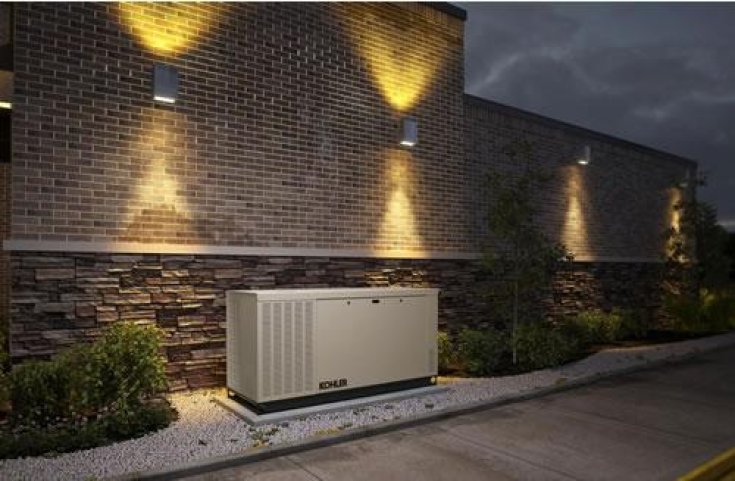 28Dec
28Dec
Thousands of homeowners end up in the emergency room every year because of generators.…
Read More